By Craig Copeland – Co-CEO at WillU
For many employers, employee benefits have moved from being a nice-to-have perk to a central part of the employee value proposition. In a tougher economic climate, businesses are being more selective about where they invest. That often means focusing on the core benefits that make the biggest difference to people’s health, financial wellbeing and long-term security: private medical insurance, healthcare support and workplace pensions.
But offering the right benefits is only half the challenge. If employees do not know what they have, cannot find the right documents, or are unsure how to make a claim, the value of those benefits is quickly lost. The result is frustration for employees, poor return on investment for employers and a benefits programme that looks good on paper but fails to land in real life
The engagement gap in employee benefits
Benefits engagement is a practical problem. Employees are busy, reward packages can be complex, and benefits information is often spread across multiple providers, portals and documents. Research reported by HR Magazine found that a third of British employees were not using their workplace health benefits, while more than half of those who did use them faced barriers when trying to access them. The same research reported that 13% of UK employees found the process of claiming health benefits too complicated.
This matters because demand for meaningful support is rising. Personnel Today reported that 51% of UK workers wanted access to private healthcare through their workplace, with dental insurance, health and outpatient insurance, and mental health support among the most sought-after benefits. At the same time, Employee Benefits reported research showing that private medical insurance was the single most important benefit for 25% of UK employees, yet many employees were unaware of what was available to them.
The message is clear: employees value core benefits, but too often they are not confident using them. Employers, therefore, need to think beyond procurement and ask a more important question: how easy is it for someone to find, understand and act on their benefits at the moment they need them?
Why claims and pensions need to be easier to navigate
Core benefits are often most valuable at important or stressful moments. An employee may need to check their healthcare cover, submit a private medical insurance claim, review a pension contribution or find a policy document quickly. If that process involves searching old emails, logging into several platforms or contacting HR for basic information, engagement drops.
Pensions are a good example. Department for Work and Pensions research found that automatic enrolment significantly increased participation in workplace pensions, but did not create the same increase in active engagement. Further DWP research highlights that pensions engagement depends on whether people can understand communications, feel in control and take practical actions such as logging into an account or making decisions.
For employers, the lesson is simple: visibility, clarity and ease of access are not optional extras. They are essential if benefits are going to be used properly and appreciated by employees.
Benefits access must match how people live and work
Another challenge is access. Not every employee sits at a desk. Not everyone has a work laptop. Some employees may not have a personal laptop at home, while others may only engage with workplace information outside standard working hours. If a benefits platform is designed primarily for desktop use, it risks excluding the very people it is meant to support.
The evidence supports a mobile-first approach. DataReportal reported that internet penetration in the UK stood at 97.8% at the start of 2025, while Uswitch reported that 96% of the UK population were mobile phone users and more than nine in ten UK mobile users owned a smartphone.
Although desktops and laptops still matter, particularly for office-based work, mobile is now the everyday access point for millions of people. For employee benefits, that means the experience should be simple, secure and available in the palm of the employee’s hand. If the goal is genuine engagement, the route to benefits must be as convenient as the apps people already use in daily life.
How WillU Wallet solves the engagement challenge
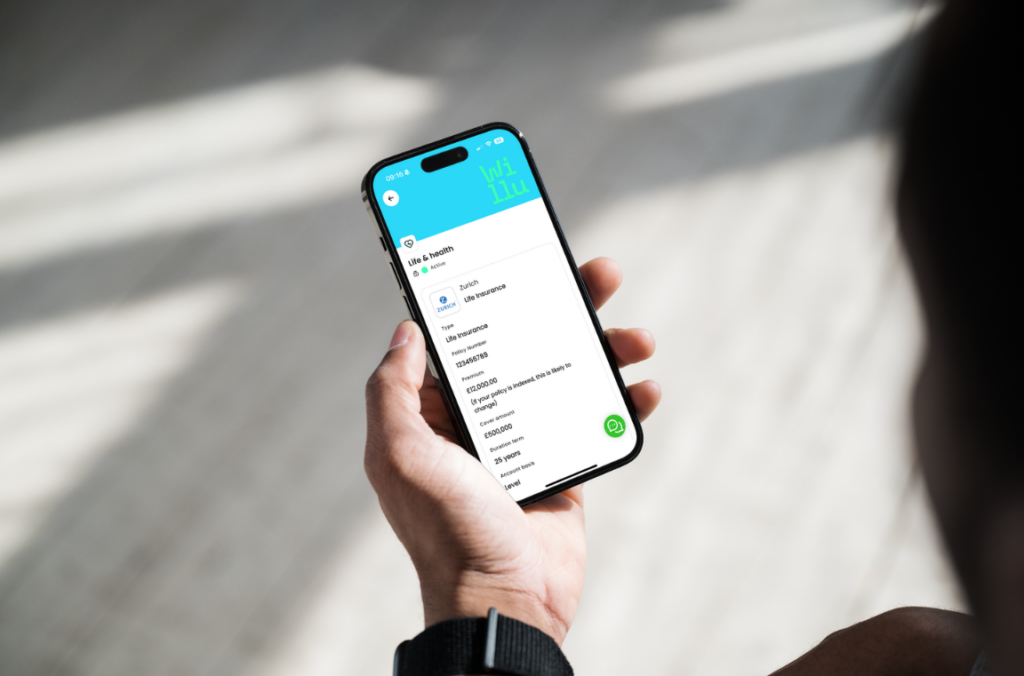
WillU Wallet has been built to make employee benefits easier for both businesses and their people. Instead of employees having to navigate multiple brokers, provider portals and separate logins, WillU Wallet brings key benefits information into one secure, easy-to-use app.
For employers, WillU Wallet helps reduce administration by centralising important documents such as insurance cover notes, healthcare schedules and protection policies. For employees, it provides a simpler way to view benefits, manage insurance policies, submit claims and monitor pension contributions without needing to jump between different systems.
The app is designed around one of the biggest realities in benefits engagement: people are more likely to use support when it is easy to find and easy to act on. By consolidating core benefits in one place, WillU Wallet helps turn benefits from a static package into an accessible, day-to-day support tool.
Adding everyday value with WillU World
Engagement is also strengthened when employees see regular value, not just occasional support. That is where WillU World adds another layer. Employees using WillU Wallet can access WillU World, a rewards platform offering discounts and promotions from hundreds of leading brands.
This combination is important. Core benefits such as healthcare and pensions provide long-term protection and peace of mind. Rewards and discounts provide more immediate, everyday value. Together, they create a more complete benefits experience that supports employees today while helping them plan for tomorrow.
Employee benefits only work when they can be accessed easily
In challenging economic conditions, businesses need benefits that deliver measurable value. That does not only mean choosing the right cover or contribution structure. It means making sure employees understand what is available, can access it easily and know how to use it when it matters.
WillU Wallet addresses this challenge by putting core employee benefits, key documents, claims support, pension visibility and everyday rewards into one consolidated app. For employers, it simplifies benefits management. For employees, it makes support easier to access, easier to understand and easier to use.
Because when benefits are easy to engage with, they become more than a line in a contract. They become part of a better employee experience.